AI flags a mark in a part photo.
What should reach the inspector?La IA señala una marca en la foto de una pieza.
¿Qué debe recibir el inspector?L’IA signale une marque sur la photo d’une pièce.
Que transmettre au contrôleur ?AI detal suratida iz borligini aytdi.
Inspektorga nimani yetkazish kerak?AI 指出了零件照片上的一处痕迹。
该把什么交给检验员?
Suppose an AI assistant describes a bright line on a photographed part as a possible scratch. You are the quality coordinator preparing the inspector’s information, not deciding whether the part can be used. Should you request a better photograph or pass on the concern? That is not necessarily an either-or choice. Preserve the original flag, make the photograph’s limitations visible and ask the responsible inspector what approved view or reference is needed. A clearer picture may help answer a question; it does not, by itself, settle the part’s condition.Suponga que un asistente de IA describe una línea brillante en la foto de una pieza como un posible arañazo. Usted coordina la calidad y prepara la información para el inspector; no decide si la pieza puede utilizarse. ¿Debe pedir una foto mejor o trasladar la observación? No son necesariamente opciones excluyentes. Conserve la señal inicial, haga visibles las limitaciones de la imagen y pregunte al inspector responsable qué vista o referencia aprobada necesita. Una foto más clara puede ayudar a responder una pregunta, pero no determina por sí sola el estado de la pieza.Supposons qu’un assistant IA décrive une ligne brillante sur la photo d’une pièce comme une rayure possible. Vous coordonnez la qualité et préparez les informations destinées au contrôleur, sans décider si la pièce peut être utilisée. Faut-il demander une meilleure photo ou transmettre le signalement ? Ces deux démarches ne s’excluent pas nécessairement. Conservez le signalement initial, rendez visibles les limites de la photo et demandez au contrôleur responsable quelle vue ou référence approuvée lui est nécessaire. Une photo plus nette peut aider à répondre à une question ; elle ne suffit pas à établir l’état de la pièce.Faraz qiling, AI yordamchi detal suratidagi yaltiroq chiziqni ehtimoliy tirnalish deb tasvirladi. Siz sifat bo‘yicha muvofiqlashtiruvchi sifatida inspektorga ma’lumot tayyorlaysiz, detalni ishlatish mumkinligini hal qilmaysiz. Yaxshiroq surat so‘rash kerakmi yoki kuzatuvni inspektorga yetkazishmi? Bular har doim ham bir-birini istisno qiladigan yo‘llar emas. Dastlabki qaydni saqlang, suratning cheklovlarini ko‘rsating va mas’ul inspektordan qaysi tasdiqlangan ko‘rinish yoki manba kerakligini so‘rang. Aniqroq surat savolga javob topishga yordam berishi mumkin, ammo o‘zi detalning holatini belgilamaydi.假设 AI 助手把零件照片上的一条亮线描述为可能的划痕。您是质量协调人员,负责为检验员准备资料,而不是决定零件能否使用。此时该要求补拍,还是把疑点交给检验员?这未必是二选一。保留最初的提示,说明照片有哪些局限,再向负责的检验员确认需要哪种经批准的视图或参考资料。更清楚的照片可能有助于回答问题,但它本身不能确定零件的状态。
SynexasPublishedPublicadoPubliéE’lon qilingan发布日期
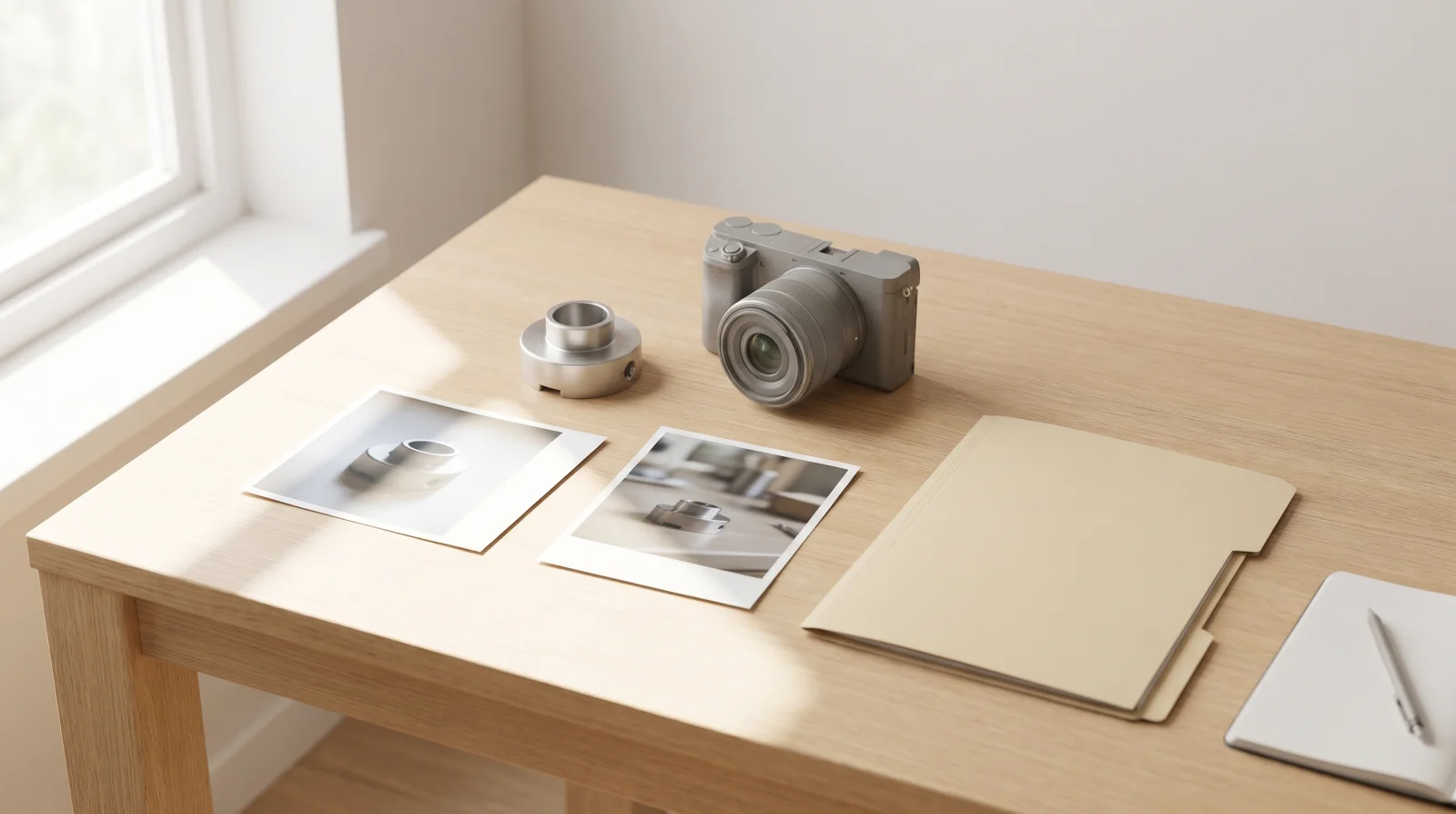
Keep the concern.
Clarify the evidence.Conserve la observación.
Aclare la evidencia.Conservez le signalement.
Précisez les éléments disponibles.Shubhali kuzatuvni saqlang.
Dalillarni aniqlashtiring.保留疑点。
说明证据。
Evaluation scopeAlcance de la evaluaciónPérimètre de l’évaluationBaholash doirasi评估范围
The task is to assemble authorized photographs, known capture conditions and relevant references for inspection. It is not to convert an assistant’s description into a defect finding, an acceptance decision or permission to release a part.La tarea consiste en reunir fotografías autorizadas, las condiciones de captura conocidas y las referencias pertinentes para la inspección. No consiste en convertir la descripción del asistente en un defecto confirmado, una decisión de aceptación o una autorización para liberar la pieza.Il s’agit de réunir les photographies autorisées, les conditions de prise de vue connues et les références utiles au contrôle. Il ne s’agit pas de transformer la description de l’assistant en défaut avéré, en décision d’acceptation ou en autorisation de libérer une pièce.Vazifa tekshiruv uchun foydalanishga ruxsat etilgan suratlar, ma’lum suratga olish sharoitlari va tegishli manbalarni yig‘ishdir. Yordamchining tavsifini tasdiqlangan nuqson, qabul qilish qarori yoki detalni chiqarishga ruxsatga aylantirish emas.这项工作的范围,是整理获准使用的照片、已知拍摄条件及相关参考资料,供检验使用。不是把助手的描述变成已确认的缺陷、接收结论或零件放行许可。
Comparable evidenceEvidencia comparableÉléments comparablesTaqqoslanadigan dalillar可比证据
Research on industrial anomaly detection shows that changed lighting can affect results even when the photographed scene stays in place. Separately, image-input documentation shows why the original file and the detail processed by a system are not always equivalent.La investigación sobre detección de anomalías industriales muestra que los cambios de iluminación pueden afectar a los resultados aunque la escena fotografiada permanezca en la misma posición. Por separado, la documentación sobre imágenes explica por qué el archivo original y el detalle que procesa un sistema no siempre son equivalentes.La recherche sur la détection d’anomalies industrielles montre qu’un changement d’éclairage peut modifier les résultats même lorsque la scène photographiée reste en place. Par ailleurs, la documentation sur les images explique pourquoi le fichier original et le niveau de détail traité par un système ne sont pas toujours équivalents.Sanoatdagi anomaliyalarni aniqlash tadqiqoti suratga olinayotgan sahna joyida qolsa ham, yoritish o‘zgarishi natijalarga ta’sir qilishi mumkinligini ko‘rsatadi. Alohida ravishda, tasvir kiritish hujjatlari asl fayl bilan tizim qayta ishlaydigan tafsilotlar har doim ham teng emasligini tushuntiradi.工业异常检测研究表明,即使被拍摄场景的位置不变,光照变化也可能影响结果。另外,图像输入文档说明,原始文件所含的细节与系统实际处理的细节并不总是相同。
Review ownershipResponsable de la revisiónResponsable de la revueTekshiruv uchun mas’ul审阅责任
The coordinator records what is available and what is missing. The responsible inspector determines the required follow-up under the existing inspection procedure. A confident description does not transfer that responsibility to the assistant.Quien coordina registra qué información está disponible y cuál falta. El inspector responsable determina el seguimiento necesario conforme al procedimiento de inspección vigente. Una descripción segura de sí misma no transfiere esa responsabilidad al asistente.La personne qui coordonne consigne les informations disponibles et les manques. Le contrôleur responsable détermine la suite à donner selon la procédure de contrôle en vigueur. Une description affirmative ne transfère pas cette responsabilité à l’assistant.Muvofiqlashtiruvchi bor va yetishmayotgan ma’lumotni qayd etadi. Mas’ul inspektor amaldagi tekshiruv tartibiga muvofiq keyingi qadamni belgilaydi. Ishonch bilan yozilgan tavsif bu mas’uliyatni yordamchiga o‘tkazmaydi.协调人员记录哪些信息已有、哪些仍然缺失。负责的检验员依据现行检验程序决定后续工作。助手说得再肯定,也不会因此接过检验责任。
Acceptance decisionDecisión de aceptaciónDécision d’acceptationQabul qilish qarori验收决定
A useful handoff lets the inspector find the original image, understand the flagged location and see unresolved questions. It does not require the coordinator to decide whether the mark is glare, damage or an acceptable feature.Una entrega útil permite al inspector localizar la imagen original, entender la zona señalada y ver las preguntas pendientes. No exige que quien coordina decida si la marca es un reflejo, un daño o una característica aceptable.Un dossier utile permet au contrôleur de retrouver l’image originale, de comprendre la zone signalée et de repérer les questions ouvertes. Il n’exige pas que la personne qui coordonne tranche entre reflet, dommage ou particularité acceptable.Foydali topshirish to‘plami inspektorga asl suratni topish, qayd etilgan joyni tushunish va ochiq savollarni ko‘rish imkonini beradi. Buning uchun muvofiqlashtiruvchi izni yorug‘lik aksi, shikast yoki ruxsat etilgan xususiyat deb belgilashi shart emas.一份有用的交接资料,应让检验员能找到原图、理解被指出的位置,并看到尚未解决的问题。协调人员不必先判定那是反光、损伤,还是可接受的特征。
A mark in the picture
Is not yet a finding about the partUna marca en la imagen
Todavía no es un hallazgo sobre la piezaUne marque sur l’image
N’est pas encore un constat sur la pièceSuratdagi iz
Hali detal haqidagi xulosa emas照片上有一处痕迹
还不等于已查明零件状况
An assistant could help organize a reading pack: keep the original photograph beside its description, identify which image a comment refers to and gather questions for the inspector. Those are proposed support tasks, not results measured here. The risk begins when the pack quietly changes the status of the observation. A possible mark becomes a confirmed scratch, or a request for another view becomes a statement that the first concern was false. Keep the distinction visible. What can be seen in this photograph, what the assistant inferred and what the inspection procedure requires are different pieces of information. If glare obscures the area, say that the area is obscured rather than supplying a conclusion about the surface underneath.Un asistente podría ayudar a organizar la documentación: mantener la foto original junto a su descripción, identificar a qué imagen corresponde cada comentario y reunir preguntas para el inspector. Son tareas de apoyo propuestas, no resultados medidos aquí. El riesgo aparece cuando la documentación cambia discretamente el carácter de la observación. Una posible marca pasa a ser un arañazo confirmado, o la solicitud de otra vista se convierte en una afirmación de que la primera preocupación era infundada. Mantenga clara la diferencia. Lo que permite ver esta foto, lo que infirió el asistente y lo que exige el procedimiento de inspección son informaciones distintas. Si un reflejo oculta la zona, indique que está oculta, en lugar de concluir cómo está la superficie que no se ve.Un assistant pourrait aider à organiser le dossier : conserver la photo originale à côté de sa description, préciser à quelle image correspond chaque commentaire et rassembler les questions destinées au contrôleur. Ce sont des tâches d’appui proposées, pas des résultats mesurés ici. Le risque apparaît lorsque le dossier change discrètement le statut de l’observation. Une marque possible devient une rayure confirmée, ou une demande de vue supplémentaire devient l’affirmation que le premier signalement était infondé. Gardez cette distinction visible. Ce que montre la photo, ce que l’assistant en déduit et ce qu’exige la procédure de contrôle sont des informations différentes. Si un reflet masque la zone, indiquez qu’elle est masquée plutôt que de conclure sur l’état de la surface invisible.Yordamchi ko‘rib chiqish to‘plamini tartibga solishga ko‘maklashishi mumkin: asl suratni uning tavsifi yonida saqlash, izoh qaysi suratga tegishli ekanini ko‘rsatish va inspektorga savollarni jamlash. Bular bu yerda natijasi o‘lchangan ishlar emas, taklif etilayotgan yordamchi vazifalardir. Xavf to‘plam kuzatuvning maqomini bildirmay o‘zgartirganda boshlanadi. Ehtimoliy iz tasdiqlangan tirnalishga, boshqa ko‘rinishni so‘rash esa dastlabki shubha asossiz bo‘lgan degan gapga aylanadi. Bu farqni ochiq saqlang. Suratda nima ko‘rinayotgani, yordamchi nimani taxmin qilgani va tekshiruv tartibi nimani talab qilishi turli ma’lumotlardir. Agar yorug‘lik aksi joyni berkitgan bo‘lsa, ko‘rinmayotgan sirt haqida xulosa qilish o‘rniga o‘sha joy berkilganini ayting.助手可以尝试帮助整理阅读资料:把原图与描述放在一起,标明每条评论对应哪张照片,并汇总要请检验员回答的问题。这些是本文提出的辅助任务,不是已测得效果的工作成果。风险在于,资料整理过程中,观察的性质被悄悄改了。一处可能的痕迹变成了已确认的划痕,或者一次补拍请求变成了“最初的疑点不成立”。应始终保留这层区别:照片能看见什么、助手推断了什么、检验程序要求什么,是不同的信息。如果反光遮住了某个区域,就说明该区域被遮挡,而不是替看不见的表面作结论。
Consider two different gaps. The photograph may not show the relevant area clearly enough, or it may show something that needs the inspector’s interpretation. Both can exist together. A known capture problem supports asking for the view specified by the approved procedure or the inspector; it does not support dismissing the original flag. Likewise, an apparently clear image is not a reason to bypass inspection. The coordinator’s useful contribution is to make the unanswered question precise, not choose a diagnosis from a photograph.Distinga dos carencias. Puede que la foto no muestre con suficiente claridad la zona pertinente, o que muestre algo que requiera la interpretación del inspector. Ambas pueden darse a la vez. Un problema de captura conocido justifica pedir la vista indicada por el procedimiento aprobado o por el inspector; no justifica descartar la señal inicial. Del mismo modo, una imagen aparentemente clara no permite omitir la inspección. La contribución útil de quien coordina es precisar la pregunta pendiente, no elegir un diagnóstico a partir de una foto.Deux lacunes sont à distinguer. La photo peut ne pas montrer assez clairement la zone concernée, ou montrer un élément qui demande l’interprétation du contrôleur. Les deux peuvent se cumuler. Un problème de prise de vue connu justifie de demander la vue prévue par la procédure approuvée ou indiquée par le contrôleur ; il ne justifie pas d’écarter le signalement initial. De même, une image apparemment nette ne permet pas de contourner le contrôle. L’apport utile de la coordination consiste à préciser la question ouverte, pas à choisir un diagnostic à partir d’une photographie.Ikki xil yetishmovchilikni ajrating. Surat tegishli joyni yetarlicha aniq ko‘rsatmasligi yoki inspektor talqin qilishi kerak bo‘lgan narsani ko‘rsatishi mumkin. Ikkalasi bir vaqtda ham uchraydi. Suratga olishdagi ma’lum muammo tasdiqlangan tartibda belgilangan yoki inspektor so‘ragan ko‘rinishni olishga asos bo‘ladi; dastlabki qaydni rad etishga emas. Xuddi shunday, tiniq ko‘ringan surat ham tekshiruvni chetlab o‘tishga asos emas. Muvofiqlashtiruvchining foydali hissasi suratdan tashxis tanlash emas, javobsiz savolni aniq ifodalashdir.先区分两种缺口:照片可能没有把相关区域拍清楚,也可能已经显示了需要检验员解释的现象。两者可以同时存在。已知的拍摄问题,可以成为按获批程序或检验员要求补充视图的理由,却不能成为撤销最初提示的理由。同样,照片看起来清楚,也不意味着可以跳过检验。协调人员的价值,是把尚未回答的问题说准确,而不是根据照片选一个诊断。
Lighting can change the evidence.
Keep viewpoint questions separate.La iluminación puede cambiar la evidencia.
El punto de vista es otra cuestión.L’éclairage peut modifier les éléments visibles.
L’angle de vue reste une autre question.Yoritish dalillarga ta’sir qilishi mumkin.
Kamera burchagi esa alohida masala.光照会改变可见证据。
拍摄视角要另作判断。
The 2025 MVTec AD 2 study provides a concrete reason to record capture conditions. Researchers photographed the same scenes under regular lighting and under a mixture of familiar and unfamiliar lighting. They changed exposure and illumination while holding object position and other camera parameters constant. The tested methods differed in how strongly their localization results changed; effects also varied by object. That is evidence about illumination under those experimental conditions, not proof about unfamiliar camera viewpoints. The study also found that larger image inputs improved some results. OpenAI’s current image guidance adds a separate practical consideration: image preprocessing depends on the selected model and detail setting, and even an original-detail setting can involve resizing. Neither source establishes what happened in your photograph. Together they support asking what was captured and what detail the system actually received.El estudio MVTec AD 2 de 2025 ofrece una razón concreta para registrar las condiciones de captura. Los investigadores fotografiaron las mismas escenas con iluminación habitual y con una mezcla de condiciones de iluminación conocidas y desconocidas para los métodos. Cambiaron la exposición y la iluminación, manteniendo constantes la posición del objeto y los demás parámetros de la cámara. Los métodos evaluados mostraron distinta sensibilidad en sus resultados de localización; los efectos también variaron según el objeto. Es evidencia sobre iluminación en esas condiciones experimentales, no una demostración sobre puntos de vista de cámara desconocidos. El estudio también observó que las imágenes de entrada más grandes mejoraron algunos resultados. La guía actual de OpenAI añade otra consideración práctica: el preprocesamiento depende del modelo y del ajuste de detalle elegidos, e incluso el ajuste de detalle original puede implicar un cambio de tamaño. Ninguna fuente establece qué ocurrió en su fotografía. Juntas justifican preguntar qué se capturó y qué detalle recibió realmente el sistema.L’étude MVTec AD 2 de 2025 donne une raison concrète de consigner les conditions de prise de vue. Les chercheurs ont photographié les mêmes scènes sous l’éclairage habituel, puis sous un mélange d’éclairages connus et inconnus des méthodes évaluées. Ils ont modifié l’exposition et l’éclairage en gardant fixes la position de l’objet et les autres paramètres de l’appareil. Les résultats de localisation des méthodes testées n’ont pas tous réagi avec la même intensité ; les effets variaient aussi selon l’objet. Cela apporte des éléments sur l’éclairage dans ces conditions expérimentales, pas une preuve concernant des angles de caméra inhabituels. L’étude a aussi observé que des images d’entrée plus grandes amélioraient certains résultats. La documentation actuelle d’OpenAI ajoute un point pratique distinct : le prétraitement dépend du modèle et du réglage de détail choisis, et même le réglage de détail original peut entraîner un redimensionnement. Aucune de ces sources n’établit ce qui s’est produit dans votre photo. Ensemble, elles justifient de demander ce qui a été photographié et quel niveau de détail le système a réellement reçu.2025-yilgi MVTec AD 2 tadqiqoti suratga olish sharoitlarini qayd etish uchun aniq asos beradi. Tadqiqotchilar bir xil sahnalarni odatiy yoritishda hamda usullarga tanish va notanish yoritish sharoitlari aralashmasida suratga olgan. Ular ekspozitsiya va yoritishni o‘zgartirib, obyekt joylashuvi va kameraning boshqa parametrlarini o‘zgarmas saqlagan. Sinovdan o‘tgan usullarning nuqson joyini aniqlash natijalari turlicha darajada o‘zgargan; ta’sir obyektga qarab ham farqlangan. Bu o‘sha tajriba sharoitlaridagi yoritish haqida dalil, kameraning notanish ko‘rish burchaklari haqida isbot emas. Tadqiqot kattaroq kirish tasvirlari ayrim natijalarni yaxshilaganini ham ko‘rsatgan. OpenAI’ning amaldagi tasvir bo‘yicha yo‘riqnomasi yana bir amaliy jihatni tushuntiradi: dastlabki qayta ishlash tanlangan model va tafsilot sozlamasiga bog‘liq, hatto asl tafsilot sozlamasida ham o‘lcham o‘zgarishi mumkin. Hech bir manba sizning suratingizda nima bo‘lganini belgilamaydi. Ular birgalikda nima suratga olingani va tizim aslida qanday tafsilotlarni qabul qilganini so‘rashga asos beradi.2025 年的 MVTec AD 2 研究,为记录拍摄条件提供了具体依据。研究人员在常规光照下拍摄同一场景,又在算法见过和未见过的光照条件混合下拍摄。他们改变曝光和照明,同时保持物体位置及其他相机参数不变。不同受测方法的异常定位结果,受光照变化影响的程度不同;不同物体的表现也有差别。这是特定实验条件下的光照证据,不是关于陌生相机视角的证明。研究还发现,增大输入图像尺寸改善了部分结果。OpenAI 当前的图像文档另有一项实际提醒:预处理取决于所选模型和细节设置,即使选择原始细节设置,也仍可能调整图像尺寸。这两类来源都不能说明您的照片究竟发生了什么,但它们支持提出两个问题:拍到了什么,以及系统实际收到了哪些细节。
Prepare the question.
Leave inspection with its owner.Prepare la pregunta.
La inspección sigue teniendo responsable.Préparez la question.
Le contrôle reste du ressort de son responsable.Savolni tayyorlang.
Tekshiruv mas’ul inspektorda qolsin.把问题准备好。
检验仍由责任人负责。
For the proposed handoff, first preserve the authorized original and the assistant’s flagged observation without relabeling it as a finding. Then attach known context: which part and view the photograph is recorded as showing, the available capture conditions and the relevant approved reference. Mark absent information as unknown rather than reconstructing it. Next, describe the unresolved visual question, such as an area hidden by glare or a detail missing from the available view. Ask the responsible inspector which approved photograph, reference or inspection step is needed. If another photograph is requested, retain its connection to the first image and the reason it was requested. Do not select whichever image or assistant response sounds most reassuring. This is a proposed information sequence, not a tested inspection control or a substitute for the procedure.Para esta propuesta de entrega, conserve primero el original autorizado y la observación señalada por el asistente, sin convertirla en un hallazgo. Añada después el contexto conocido: qué pieza y vista constan en el registro de la foto, las condiciones de captura disponibles y la referencia aprobada pertinente. Identifique como desconocida la información ausente, sin reconstruirla. A continuación, describa la pregunta visual pendiente, por ejemplo, una zona oculta por un reflejo o un detalle que no aparece en la vista disponible. Pregunte al inspector responsable qué fotografía aprobada, referencia o paso de inspección necesita. Si solicita otra foto, conserve su vínculo con la primera y el motivo de la solicitud. No elija la imagen ni la respuesta del asistente que resulte más tranquilizadora. Es una secuencia propuesta para organizar información, no un control de inspección probado ni un sustituto del procedimiento.Pour cette proposition de transmission, conservez d’abord l’original autorisé et l’observation signalée par l’assistant, sans la qualifier de constat. Joignez ensuite le contexte connu : la pièce et la vue auxquelles la photo est rattachée, les conditions de prise de vue disponibles et la référence approuvée pertinente. Signalez les informations absentes comme inconnues, sans les reconstituer. Décrivez ensuite la question visuelle non résolue, par exemple une zone masquée par un reflet ou un détail absent de la vue disponible. Demandez au contrôleur responsable quelle photographie approuvée, référence ou étape de contrôle est nécessaire. Si une nouvelle photo est demandée, conservez son lien avec la première et le motif de la demande. Ne retenez pas l’image ou la réponse de l’assistant qui paraît la plus rassurante. Il s’agit d’un enchaînement proposé pour organiser l’information, pas d’un dispositif de contrôle testé ni d’un remplacement de la procédure.Taklif etilayotgan topshirish jarayonida avval foydalanishga ruxsat etilgan asl surat va yordamchi qayd etgan kuzatuvni saqlang, uni tasdiqlangan xulosa deb atamang. Keyin ma’lum kontekstni qo‘shing: surat qaydiga ko‘ra unda qaysi detal va ko‘rinish aks etgani, mavjud suratga olish sharoitlari va tegishli tasdiqlangan manba. Yo‘q ma’lumotni qayta tuzish o‘rniga noma’lum deb ko‘rsating. So‘ng hal bo‘lmagan vizual savolni tasvirlang, masalan, yorug‘lik aksi berkitgan joy yoki mavjud ko‘rinishda yo‘q tafsilot. Mas’ul inspektordan qaysi tasdiqlangan surat, manba yoki tekshiruv bosqichi kerakligini so‘rang. Boshqa surat so‘ralsa, uning birinchi surat bilan aloqasini va nima uchun so‘ralganini saqlang. Eng taskin beruvchi suratni yoki yordamchi javobini tanlamang. Bu ma’lumot bilan ishlash uchun taklif etilgan ketma-ketlik, sinalgan tekshiruv nazorati yoki tartibning o‘rnini bosuvchi yo‘l emas.按本文提出的交接顺序,先保留获准使用的原图和助手指出的现象,不把它改写成检验结论。再附上已知背景:照片记录对应的零件与视图、已有的拍摄条件,以及相关的获批参考资料。缺失的信息就标为未知,不要自行补全。随后说明尚未解决的视觉问题,例如反光遮住的区域,或现有视图没有呈现的细节。向负责的检验员确认,需要哪张获准使用的照片、哪份参考资料或哪一步检验。如果要求补拍,应保留新旧照片之间的关联,以及补拍原因。不要挑选看起来最让人放心的照片或助手回答。这是一套建议的信息整理顺序,不是经过试验验证的检验控制措施,也不替代现行程序。
Proposed handoff: preserve the flag, then ask the inspector
- Keep the original
- Attach known context
- State the open question
- Ask the inspector
Retain the authorized photograph and the AI observation without turning a possible mark into a confirmed finding.
Attach the recorded part and view, known capture conditions and relevant approved reference. Keep unknown details explicit.
Describe what remains unclear or unseen. A lighting concern does not settle the part’s condition or answer a viewpoint question.
The responsible inspector specifies any approved additional view or inspection step under the existing procedure. This sequence does not authorize release.
Entrega propuesta: conserve la señal y consulte al inspector
- Conserve el original
- Añada el contexto conocido
- Precise la pregunta abierta
- Consulte al inspector
Conserve la fotografía autorizada y la observación de la IA sin convertir una posible marca en un hallazgo confirmado.
Añada la pieza y la vista registradas, las condiciones de captura conocidas y la referencia aprobada pertinente. Señale los datos desconocidos.
Describa qué sigue sin estar claro o no se ve. Una duda sobre iluminación no determina el estado de la pieza ni responde a una pregunta sobre el punto de vista.
El inspector responsable indica cualquier vista adicional aprobada o paso de inspección conforme al procedimiento vigente. Esta secuencia no autoriza la liberación.
Transmission proposée : conservez le signalement, puis consultez le contrôleur
- Conserver l’original
- Joindre le contexte connu
- Préciser la question ouverte
- Consulter le contrôleur
Conservez la photographie autorisée et l’observation de l’IA sans transformer une marque possible en constat confirmé.
Joignez la pièce et la vue enregistrées, les conditions de prise de vue connues et la référence approuvée pertinente. Signalez les informations inconnues.
Décrivez ce qui reste flou ou invisible. Une question d’éclairage ne détermine pas l’état de la pièce et ne répond pas à une question d’angle de vue.
Le contrôleur responsable précise toute vue supplémentaire approuvée ou étape de contrôle selon la procédure existante. Cet enchaînement n’autorise pas la libération.
Taklif etilgan topshirish tartibi: qaydni saqlang, so‘ng inspektordan so‘rang
- Asl suratni saqlang
- Ma’lum kontekstni qo‘shing
- Ochiq savolni ayting
- Inspektordan so‘rang
Foydalanishga ruxsat etilgan surat va AI kuzatuvini saqlang; ehtimoliy izni tasdiqlangan xulosaga aylantirmang.
Qayd etilgan detal va ko‘rinish, ma’lum suratga olish sharoitlari hamda tegishli tasdiqlangan manbani qo‘shing. Noma’lum tafsilotlarni ochiq ko‘rsating.
Nima noaniq yoki ko‘rinmayotganini tasvirlang. Yoritish haqidagi shubha detal holatini belgilamaydi va ko‘rish burchagi haqidagi savolga javob bermaydi.
Mas’ul inspektor amaldagi tartib bo‘yicha zarur tasdiqlangan qo‘shimcha ko‘rinish yoki tekshiruv bosqichini belgilaydi. Bu ketma-ketlik detalni chiqarishga ruxsat bermaydi.
建议交接顺序:保留提示,再请检验员明确后续要求
- 保留原图
- 附上已知背景
- 说明未解问题
- 请检验员明确要求
保留获准使用的照片及 AI 观察,不把可能的痕迹改写成已确认的检验发现。
附上记录中的零件与视图、已知拍摄条件及相关获批参考资料。未知细节仍应明确标出。
说明哪些地方仍不清楚或看不见。光照疑问既不能确定零件状态,也不能回答拍摄视角问题。
负责的检验员依据现行程序,明确需要补充的获准视图或检验步骤。这一顺序不构成放行授权。
Accept a useful handoff.
Not an AI verdict on the part.Acepte una entrega útil.
No un veredicto de la IA sobre la pieza.Validez un dossier exploitable.
Pas un verdict de l’IA sur la pièce.Foydali ma’lumot to‘plamini qabul qiling.
AI’ning detal haqidagi hukmini emas.确认交接资料是否有用。
不是接受 AI 对零件的判定。
Before passing on the pack, ask whether the inspector can locate the original image, distinguish the assistant’s wording from a human finding and understand why another view is requested. Is the relevant reference available, and are missing capture details still visible? These questions assess the handoff, not the part. A later image that changes the assistant’s answer may add information, but does not establish which answer is correct. If the available material cannot resolve the question, keep it unresolved and follow the inspector’s direction through the existing process. Neither a reassuring sentence nor the disappearance of a flag provides a release decision.Antes de trasladar la documentación, compruebe si el inspector puede localizar la imagen original, distinguir las palabras del asistente de un hallazgo humano y entender por qué se pide otra vista. ¿Está disponible la referencia pertinente? ¿Siguen siendo visibles los datos de captura que faltan? Estas preguntas evalúan la entrega de información, no la pieza. Una imagen posterior que cambie la respuesta del asistente puede aportar información, pero no establece cuál de las respuestas es correcta. Si el material disponible no resuelve la cuestión, manténgala abierta y siga las indicaciones del inspector dentro del proceso vigente. Ni una frase tranquilizadora ni la desaparición de una señal constituyen una decisión de liberación.Avant de transmettre le dossier, demandez-vous si le contrôleur peut retrouver l’image originale, distinguer les mots de l’assistant d’un constat humain et comprendre pourquoi une autre vue est demandée. La référence pertinente est-elle disponible ? Les informations de prise de vue manquantes restent-elles visibles ? Ces questions évaluent la transmission, pas la pièce. Une image ultérieure qui modifie la réponse de l’assistant peut apporter des informations, mais elle n’établit pas quelle réponse est correcte. Si les éléments disponibles ne permettent pas de résoudre la question, laissez-la ouverte et suivez les indications du contrôleur dans le processus existant. Ni une phrase rassurante ni la disparition d’un signalement ne constituent une décision de libération.To‘plamni topshirishdan oldin inspektor asl suratni topa oladimi, yordamchining so‘zlarini inson qayd etgan xulosadan ajrata oladimi va nega boshqa ko‘rinish so‘ralganini tushunadimi, deb tekshiring. Tegishli manba bormi, suratga olish haqidagi yetishmayotgan ma’lumotlar hanuz ko‘rinib turibdimi? Bu savollar detalni emas, ma’lumot topshirishni baholaydi. Keyingi surat yordamchining javobini o‘zgartirsa, u yangi ma’lumot qo‘shishi mumkin, ammo qaysi javob to‘g‘riligini belgilamaydi. Mavjud material masalani hal qilmasa, uni ochiq qoldiring va amaldagi jarayon doirasida inspektor ko‘rsatmasiga amal qiling. Na taskin beruvchi jumla, na shubhali qaydning yo‘qolishi detalni chiqarish qarori hisoblanadi.交接前,看看检验员能否找到原图、区分助手的措辞与人的检验发现,并理解为什么需要另一视图。相关参考资料是否齐全?缺失的拍摄信息是否仍清楚可见?这些问题评估的是交接,不是零件。后续照片如果让助手改变了回答,可能意味着增加了信息,但并不能证明哪个回答正确。现有材料无法解决的问题,应继续保留为未解决,并在原有流程中按检验员的指示处理。一句令人安心的话,或某条提示不再出现,都不是零件放行决定。
Read the evidence.
Keep its limits attached.Consulte la evidencia.
Conserve también sus límites.Consultez les éléments probants.
Gardez leurs limites à l’esprit.Dalillarni o‘qing.
Ularning chegaralarini ham saqlang.阅读依据。
同时保留其适用边界。
The industrial study evaluates specialized anomaly-detection methods, not a conversational assistant. Its AU-PRO score concerns localization of anomaly regions across thresholds, not the proportion of parts inspected correctly. Its abstract and full-text link describe one study, not independent replication. The checked arXiv history lists one version from March 2025 and links a related publication whose contents were not read. Current best performance remains unassessed here. The documentation explains image handling, not manufacturing suitability. No part was inspected, no workplace outcome was measured and no engineering-safety or defect-release conclusion follows.El estudio industrial evalúa métodos especializados de detección de anomalías, no un asistente conversacional. Su puntuación AU-PRO mide la localización de regiones anómalas a través de distintos umbrales, no la proporción de piezas inspeccionadas correctamente. El resumen y el texto completo corresponden a un solo estudio, no a una replicación independiente. El historial de arXiv consultado recoge una versión de marzo de 2025 y enlaza una publicación relacionada cuyo contenido no se leyó. Aquí no se ha evaluado el mejor rendimiento actual. La documentación explica el tratamiento de imágenes, no su idoneidad para fabricación. No se inspeccionó ninguna pieza ni se midió ningún resultado en una empresa; tampoco se deriva una conclusión sobre seguridad de ingeniería o liberación de piezas.L’étude industrielle évalue des méthodes spécialisées de détection d’anomalies, pas un assistant conversationnel. Son score AU-PRO porte sur la localisation de régions anormales selon différents seuils, pas sur la proportion de pièces correctement contrôlées. Le résumé et le texte intégral renvoient à une seule étude, pas à une réplication indépendante. L’historique arXiv consulté ne présente qu’une version de mars 2025 et renvoie à une publication associée dont le contenu n’a pas été lu. Les meilleures performances actuelles ne sont pas évaluées ici. La documentation explique le traitement des images, pas leur aptitude au contrôle industriel. Aucune pièce n’a été contrôlée, aucun résultat en entreprise n’a été mesuré et aucune conclusion sur la sécurité technique ou la libération de pièces n’en découle.Sanoat tadqiqoti suhbat yordamchisini emas, anomaliyalarni aniqlashga ixtisoslashgan usullarni baholaydi. Uning AU-PRO ko‘rsatkichi turli chegaraviy qiymatlarda anomaliya hududlari qanchalik aniqlanganiga tegishli, to‘g‘ri tekshirilgan detallar ulushiga emas. Annotatsiya va to‘liq matn havolasi bitta tadqiqotga tegishli, mustaqil takroriy tajribaga emas. Ko‘rilgan arXiv tarixida 2025-yil martdagi bitta versiya va mazmuni o‘qilmagan tegishli nashr havolasi bor. Hozirgi eng yaxshi natijalar bu yerda baholanmagan. Hujjatlar tasvir bilan ishlashni tushuntiradi, ishlab chiqarishga yaroqlilikni emas. Hech bir detal tekshirilmagan, korxonadagi natija o‘lchanmagan va bundan muhandislik xavfsizligi yoki detalni chiqarish haqida xulosa kelib chiqmaydi.这项工业研究评估的是专门的异常检测方法,不是对话助手。其 AU-PRO 分数衡量不同阈值下异常区域的定位情况,不是正确检验的零件占比。摘要与全文链接属于同一项研究,并非独立重复验证。此次查阅的 arXiv 历史仅列出 2025 年 3 月的一个版本,并附有一篇相关出版物的链接,但本文未读取该出版物内容,也未评估当前最佳性能。图像文档解释的是图像处理方式,不是制造检验适用性。本文没有实际检验零件,也没有测量企业现场结果,不能据此得出工程安全或缺陷放行结论。
Let’s make AI useful.
For your actual work.
Tell us about a job your team repeats, not your confidential files. We’ll show you how Matrix handles work like it.
Request a demo